

C-12 Mt. Nokogiri Trekking
& Mysterious Waterfall in Chiba
Exploring the Geological Wonders of
the Boso Peninsula🥾🥾
The Boso Peninsula (in Chiba Prefecture) is one of Japan’s most remarkable geological landscapes—a place where the Earth’s long history is written in uplifted marine terraces, volcanic tuff, ancient seabed sediments, and deep river‑carved valleys.
Shaped by the ongoing subduction of the Philippine Sea Plate, this region continues to rise even today, creating a terrain of low mountains, intricate gorges, and exposed strata that reveal millions of years of Earth’s evolution.
For centuries, people have adapted to this dynamic environment—quarrying stone from uplifted cliffs, carving water channels through layered bedrock, cultivating rice on marine terraces, and building communities within valleys shaped by relentless erosion.
Following four sites featured here,
– Nokogiriyama,
– Nomizo Waterfall and Kameiwa Cave,
– Awamata Waterfall,
– and Ohyama Senmaida
offer distinct windows into this living geological story.
Visitors would experience how tectonic forces, ancient seas, volcanic activity, and human ingenuity have intertwined to create the unique cultural and natural landscapes of the Boso Peninsula.
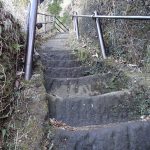
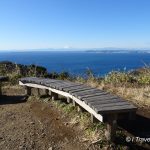
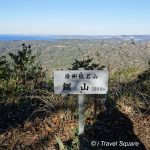
◆ Nokogiriyama (Mount Nokogiri)
Geological & Historical Background
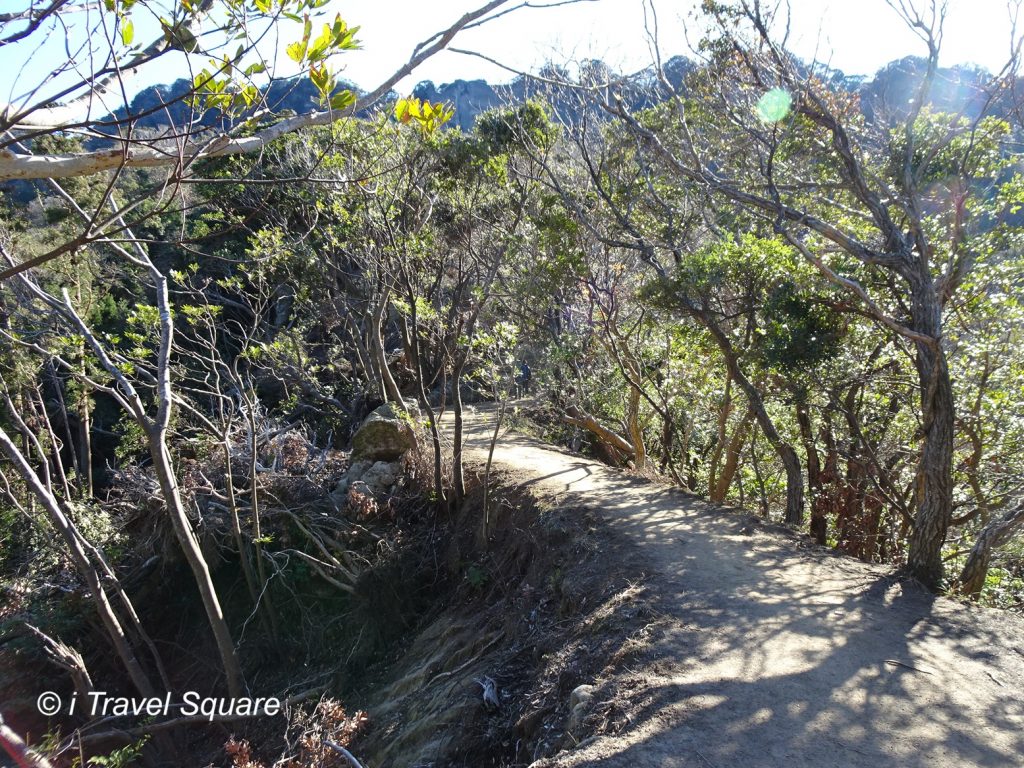
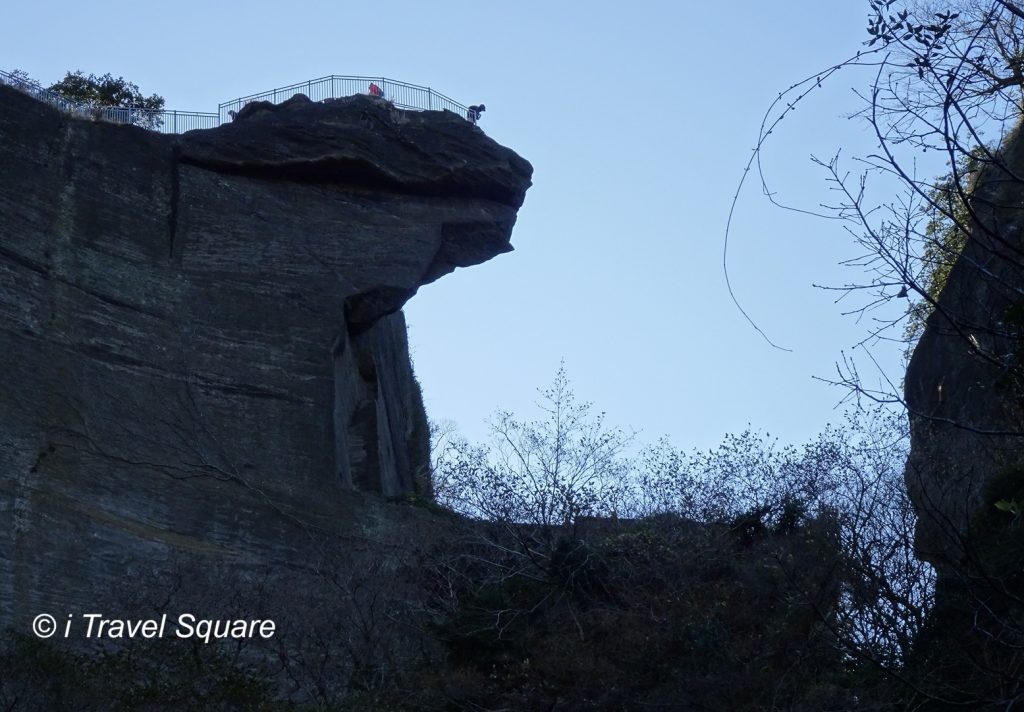
Mount Nokogiri, rising modestly to 329 meters on the western edge of the Boso Peninsula, is a low mountain shaped by dramatic geological forces. Its bedrock consists mainly of tuff deposited about three million years ago by ancient volcanic activity. These submarine volcanic layers were later uplifted as the Philippine Sea Plate pushed beneath the Japanese archipelago—an ongoing tectonic process that continues to raise the Boso Peninsula today.
From the Edo period to the early 20th century, large-scale quarrying of “Bōshū stone” carved sheer cliffs into the mountainside, creating a striking blend of natural and human‑made landforms.
Highlight & Introduction
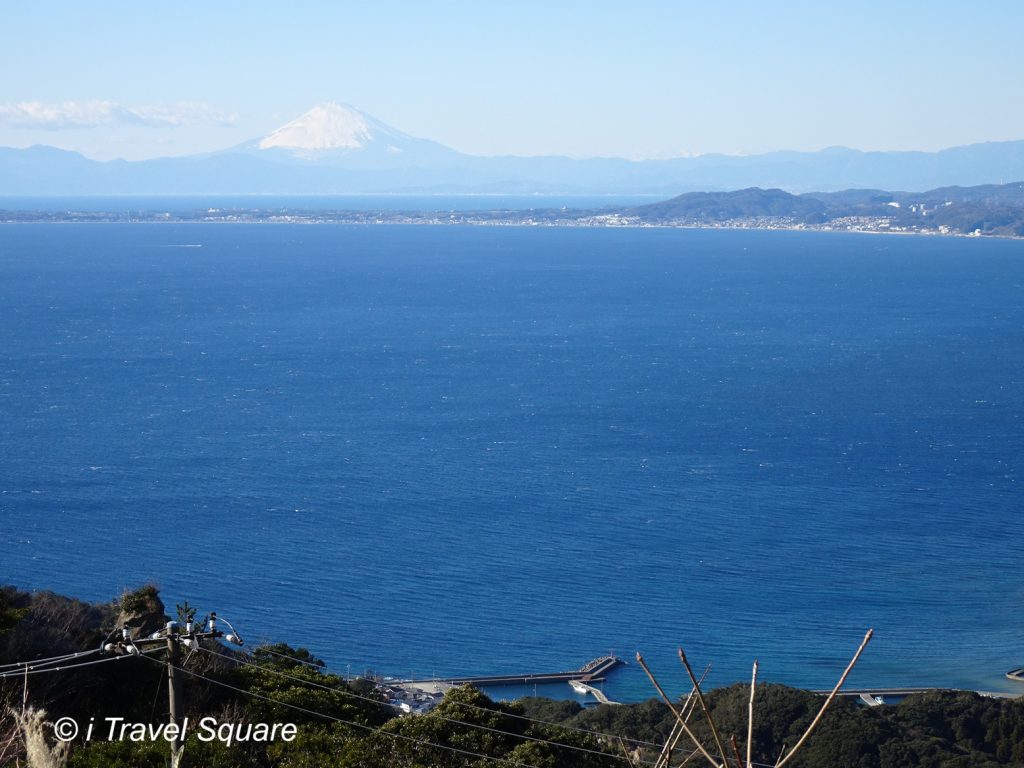
Mount Nokogiri offers a rare chance to see volcanic deposition, marine uplift, and centuries of human activity layered together in one landscape. The dramatic cliffs and quarry walls resemble an open‑air geological museum, while the famous “Jigoku‑Nozoki” viewpoint provides sweeping views over Tokyo Bay. Scattered across the slopes are some of Japan’s largest stone Buddha statues, making the mountain a unique fusion of geology, history, and culture.
◆ Nomizo Waterfall & Kameiwa Cave
Geological & Historical Background
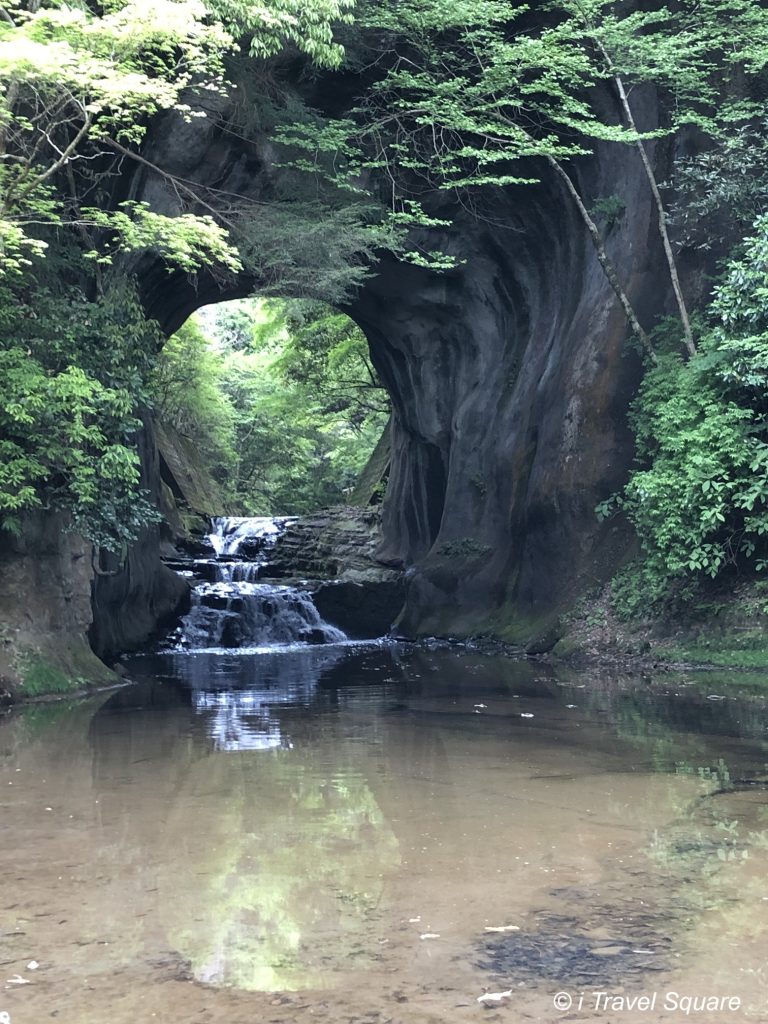
This area lies within the Miura Group, a sequence of alternating sandstone and mudstone layers that form much of central Boso. Over thousands of years, the river carved a deep valley by eroding the softer mudstone. Kameiwa Cave itself began as an artificial water channel dug during the Edo period, which natural erosional processes later shaped into its present cave‑like form.
The landscape reflects a key characteristic of the Boso Peninsula: although the mountains are low, the region’s active uplift and river erosion create surprisingly steep and intricate valley systems.
Highlight & Introduction
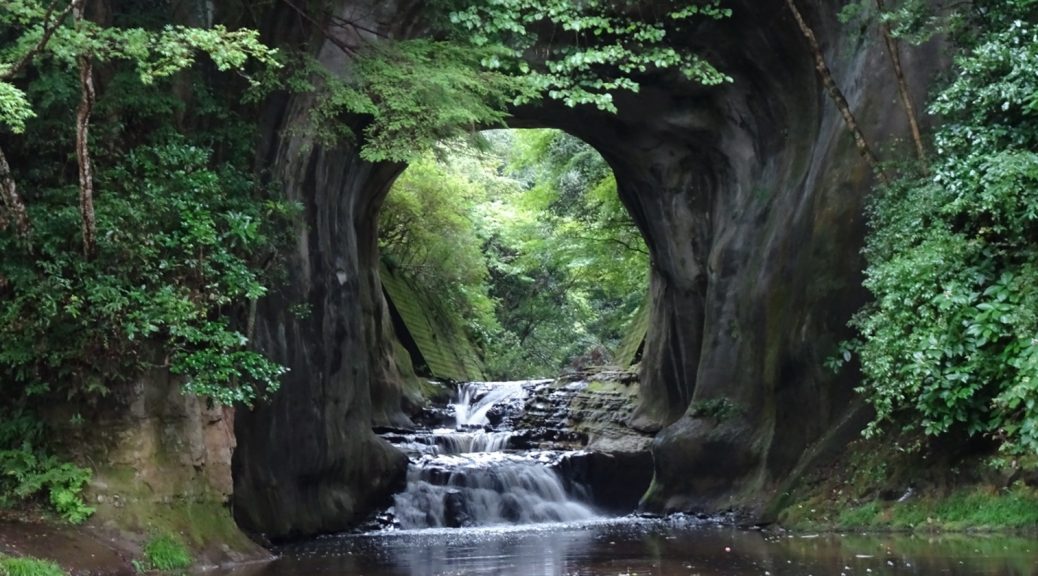
Nomizo Waterfall and Kameiwa Cave are known for their serene beauty and the magical moment when morning sunlight reflects off the water to form a heart‑shaped glow at the cave entrance. The scene is a harmonious blend of sedimentary geology, river erosion, and traditional water engineering, creating one of the most photogenic spots in the region.
◆ Awamata Waterfall (Yoro Valley)
Geological & Historical Background
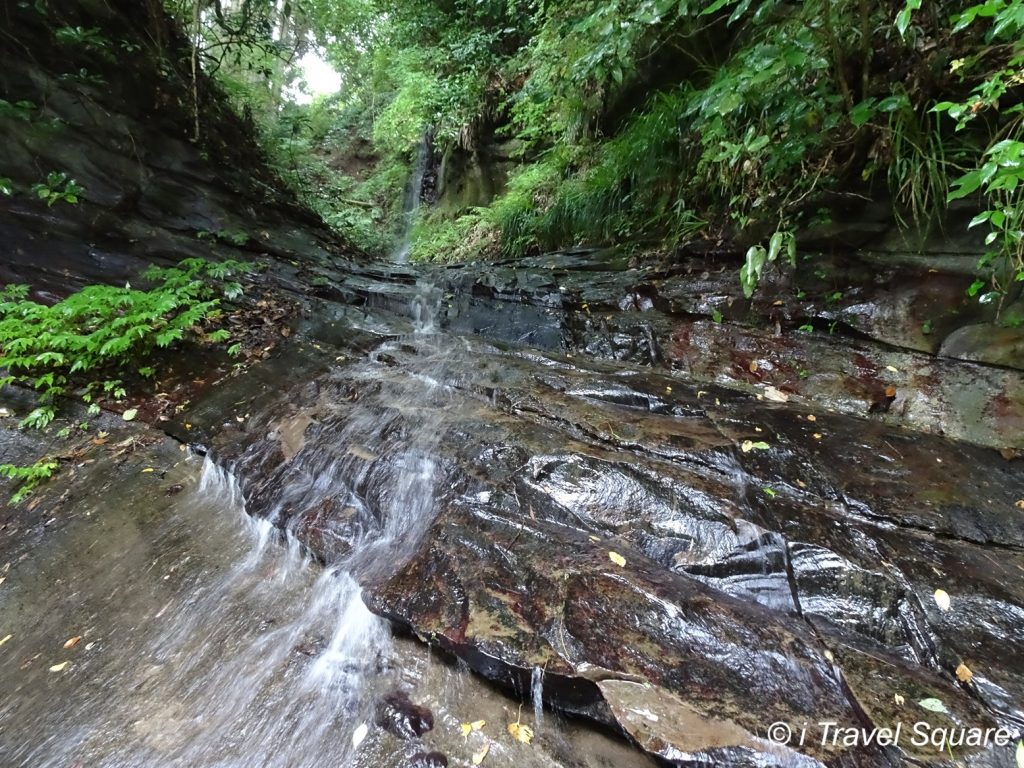
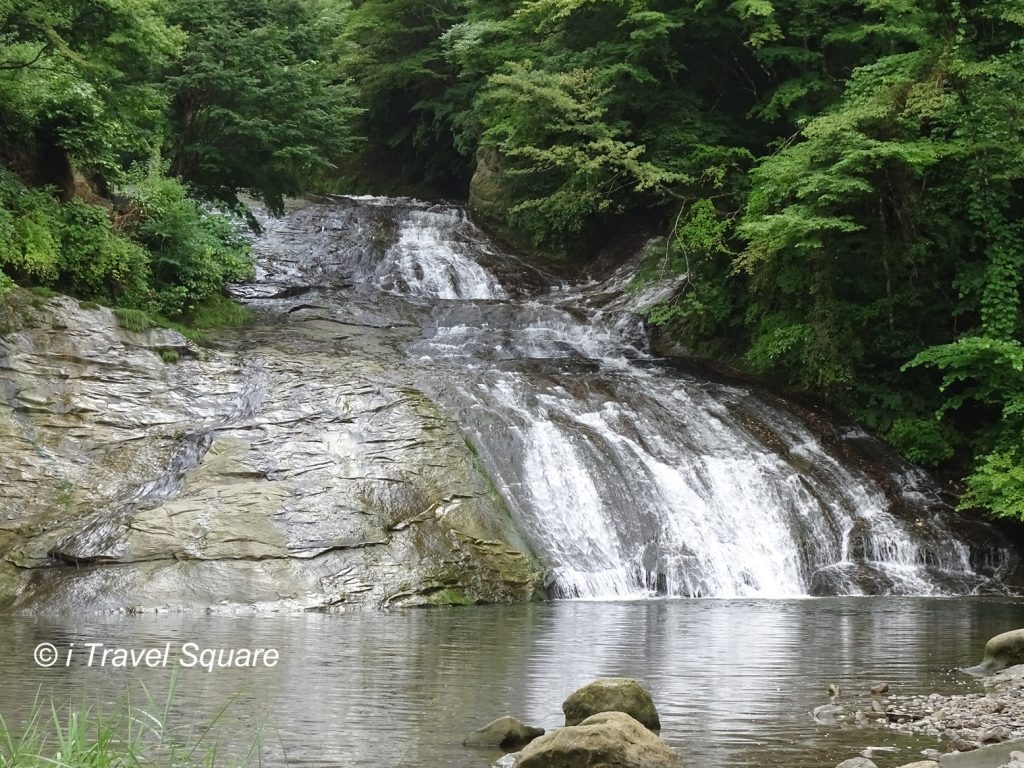
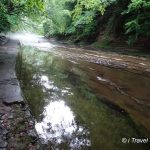
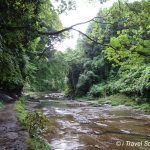
Awamata Waterfall is a classic nameritaki, or “sliding waterfall,” formed as the Yoro River eroded the alternating sandstone and mudstone layers of the Miura Group. Differences in hardness between the layers create a smooth, sloping rock surface over which water glides for nearly 100 meters.
The surrounding Yoro Valley is one of the best places to observe the peninsula’s geological story: ongoing uplift, active river incision, and beautifully exposed sedimentary layers. It belongs to the same geological belt as the Chibanian site, famous for its record of geomagnetic reversal.
Highlight & Introduction
Awamata Waterfall showcases the elegance of water shaping rock over immense spans of time. Visitors can enjoy seasonal scenery—fresh green in spring, cool streams in summer, vivid foliage in autumn, and quiet landscapes in winter—while walking through a valley that serves as a natural classroom of earth history.
◆ Ohyama Senmaida (Terraced Rice Fields)
Geological & Historical Background
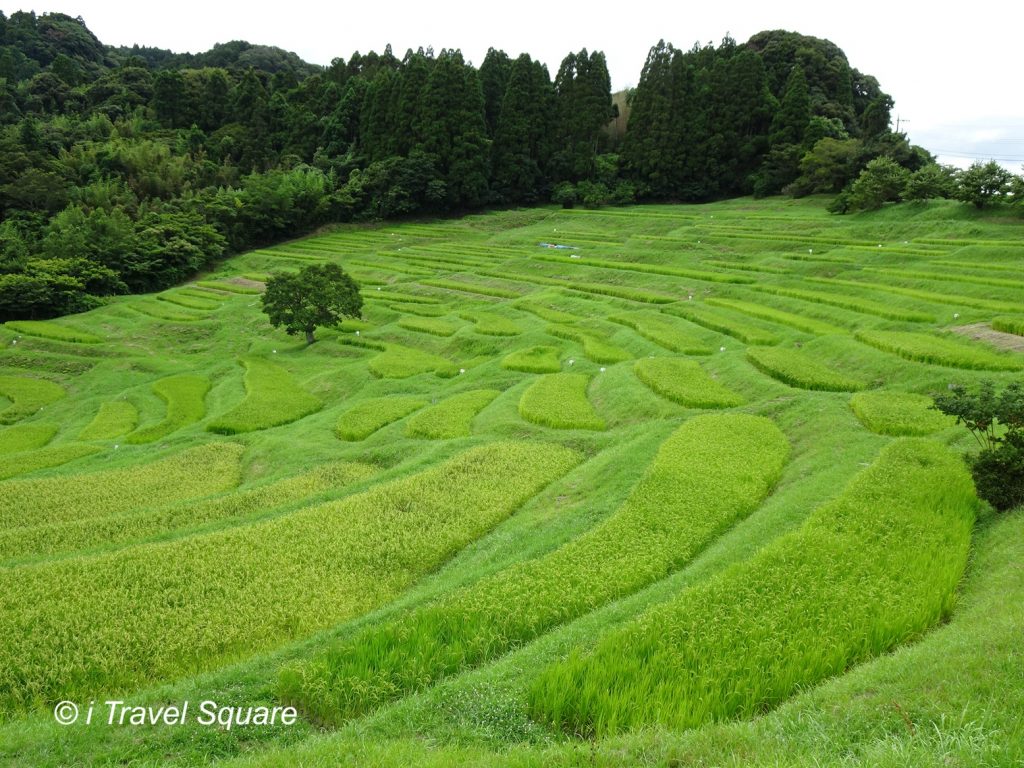
Ohyama Senmaida spreads across the slopes of a marine terrace, a landform created when ancient shorelines were uplifted by tectonic forces. Wave‑cut platforms formed during high sea‑level periods were gradually raised above sea level, producing the step‑like terraces characteristic of the Boso Peninsula.
The underlying Miura Group mudstone retains water well, making the area ideal for rice cultivation. This combination of tectonic uplift, terrace formation, and suitable soil conditions allowed traditional terraced agriculture to flourish here for centuries.
Highlight & Introduction
Ohyama Senmaida is a landscape where the Earth’s movements and human ingenuity meet. Terraced rice fields spread across the uplifted marine terrace, creating a timeless rural scene. Reflections in spring, lush green paddies in summer, golden rice in autumn, and quiet terraces in winter—each season reveals a different expression of this cultural and geological heritage.
Arrangements we can make
- Creating an overall itinerary
- Transportation such as public train, chartered taxi or bus, etc.
- Accommodation
- Interpreter guide
- Activities
** In addition to these actual expenses, each arrangement fee is required.
See “Commission for Arrangements“
/// Cancellation Policy
Cancellation Policy for this course;
| Days to Departure | Cancellation Charge |
| More than 31 days | 10,000JPY |
| 30-15 days | 50% of trip price, Min 10,000JPY |
| 14-8 days | 70% of trip price, Min 10,000JPY |
| 7 days or Less, No Show | 100% of trip price |
Please refer to “Price, Terms and Conditions” for other detailed regulations.
/// Application Form
Please select the course and fill in the below box;
👆👆👆
Note: This green button means “Submit“.
/// Payment
Payment can be settled by credit card (Paypal or Stripe).
After your booking, we will send you an invoice, then after your payment by credit card, the booking would be completed.


/// Contact
If you have any questions or offer to book, please send an email. We welcome even little questions! Don’t hesitate, and see you in Japan!!
Contact us: info@i-travel-square.tokyo