

K-62 Amami Islands, World Heritage
A Treasure Trove of
Subtropical Nature and Unique Culture
The Amami Islands lie between Okinawa and Kyushu, blessed by the warm Kuroshio Current.
This region has a distinctive history where the cultures of Ryukyu (current Okinawa), Satsuma (current Kagoshima), and mainland Japan intertwine.
At its heart are Amami Oshima, the largest island, and Kikai Island, known worldwide as an uplifted coral island—each with its own striking character that leaves a lasting impression on visitors.
Amami Oshima
■ Overview and History
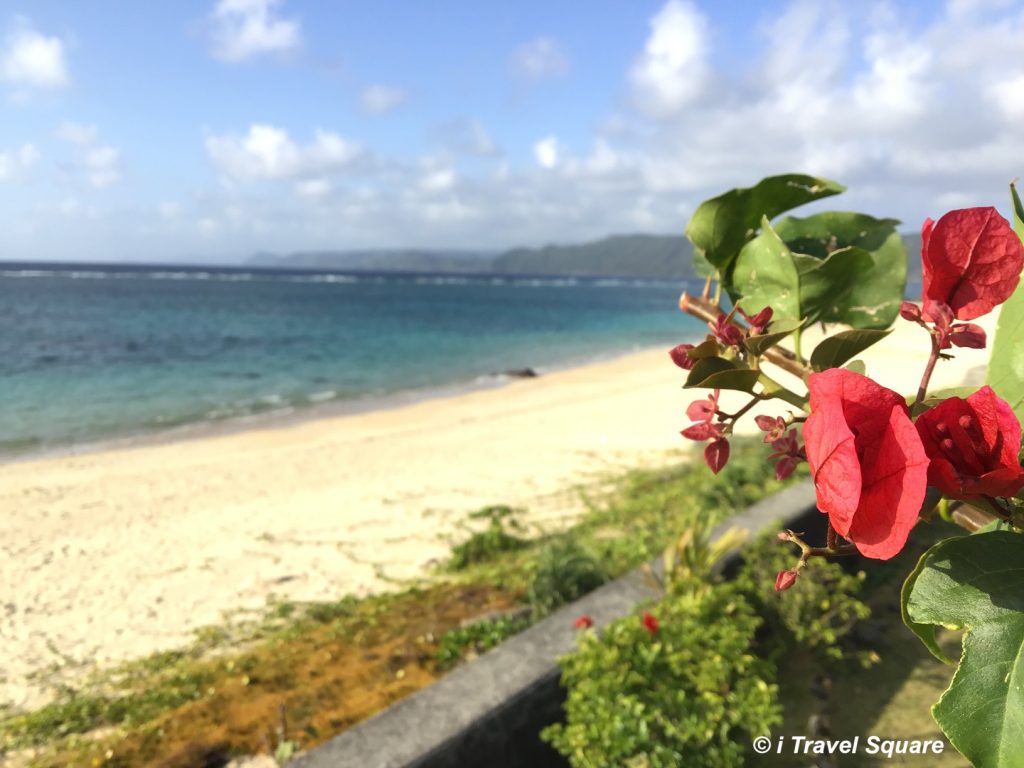
Amami Oshima enjoys a subtropical climate and preserves vast areas of untouched nature.
Historically part of the Ryukyu cultural sphere (Okinawa), it came under the rule of the Satsuma Domain (Kagoshima) in the 17th century, fostering a culture distinct from both Okinawa and mainland Japan.
After World War II, the island was temporarily under U.S. administration, an experience that still influences its lifestyle and culture today.
■ World Natural Heritage (Registered in 2021)
Amami Oshima was inscribed on the UNESCO World Natural Heritage List in 2021 as part of
“Amami Oshima, Tokunoshima, the Northern Part of Okinawa Island, and Iriomote Island.”
Reasons for inscription:
- Rare endemic species: Many unique animals and plants inhabit the island.
- Untouched subtropical evergreen forests: Ancient forests remain in their natural state.
- Continuity and diversity of ecosystems: Each island forms its own ecosystem, creating a globally valuable natural environment.
■ Natural Attractions
- Mangrove Forests: Japan’s largest mangrove area. Canoeing through the calm waters is a signature Amami experience.
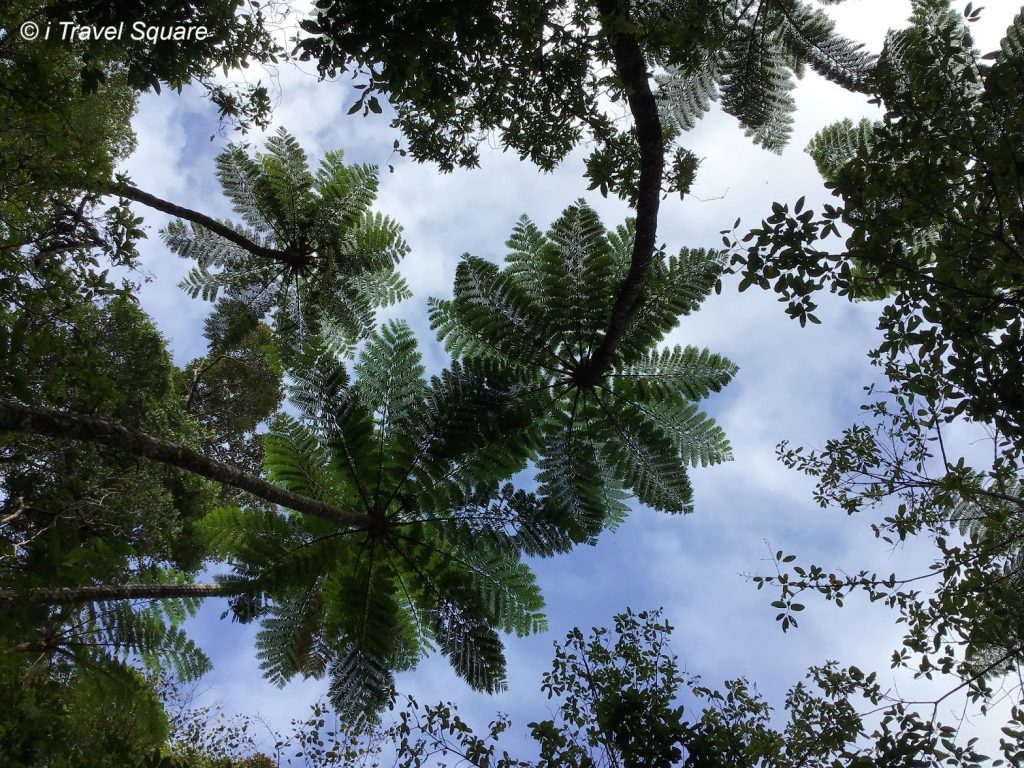
- Kinsakubaru Virgin Forest: The heart of the World Heritage area, filled with giant ferns and lush subtropical plants. Guided walks reveal its rare ecology.
- Tomori Beach: Known as the “Blue Angel” for its crystal-clear waters—perfect for snorkeling and SUP.
■ Culture and Traditions
- Shima-uta (Island Songs): Emotional folk songs with unique melodies, often performed at local festivals and restaurants.
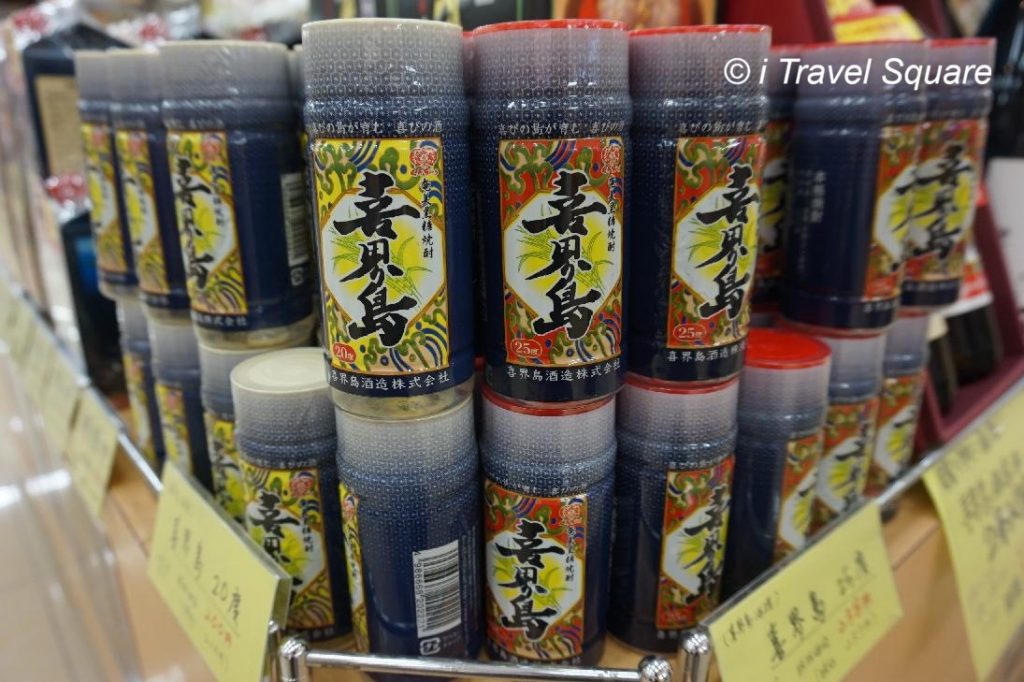
- Brown Sugar Shochu: A local spirit produced only in the Amami Islands, light and aromatic.
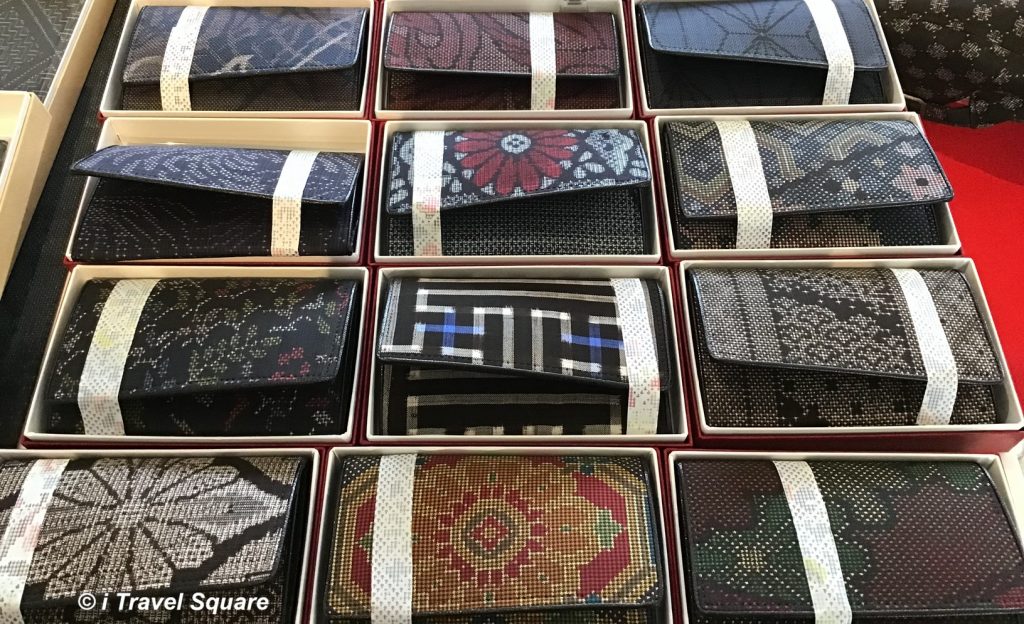
- Oshima Tsumugi Silk: A world-renowned luxury textile dyed with mud, famous for its deep black color. Visitors can tour workshops and try weaving.
■ Main Attractions
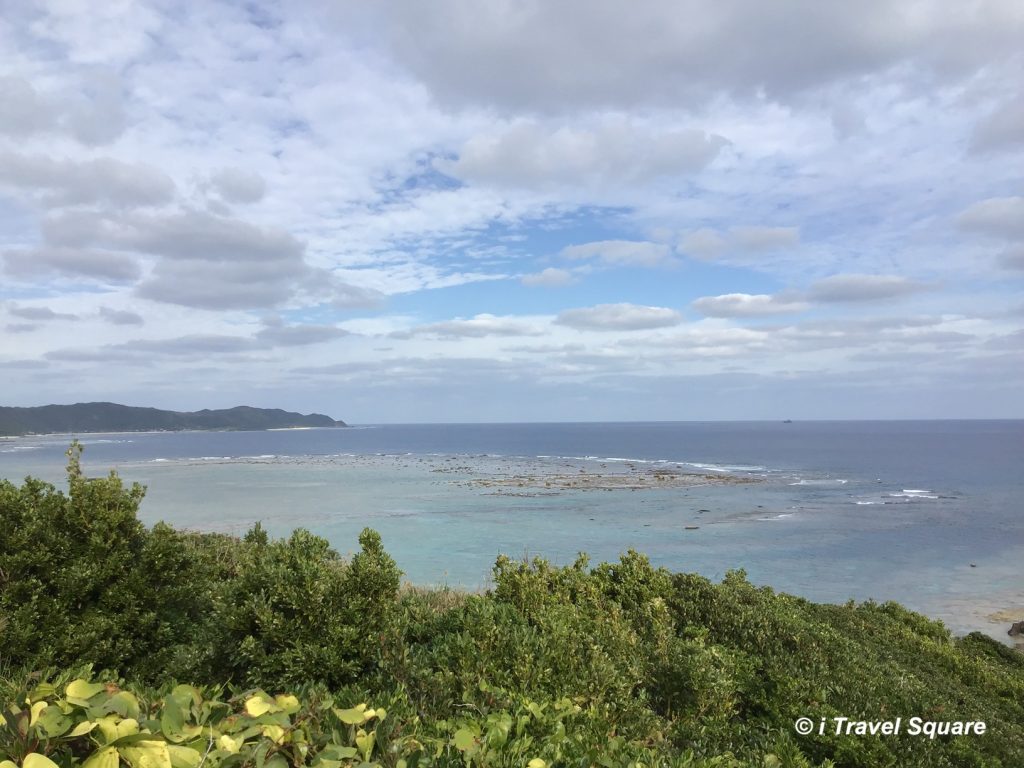
- Ayamaru Cape: A scenic viewpoint where sea and grasslands meet.
- Amami Park & Tanaka Isson Museum: Dedicated to the painter who captured Amami’s natural beauty.
- Whale Watching (Winter): Observe humpback whales migrating through Amami’s waters.
■ Access
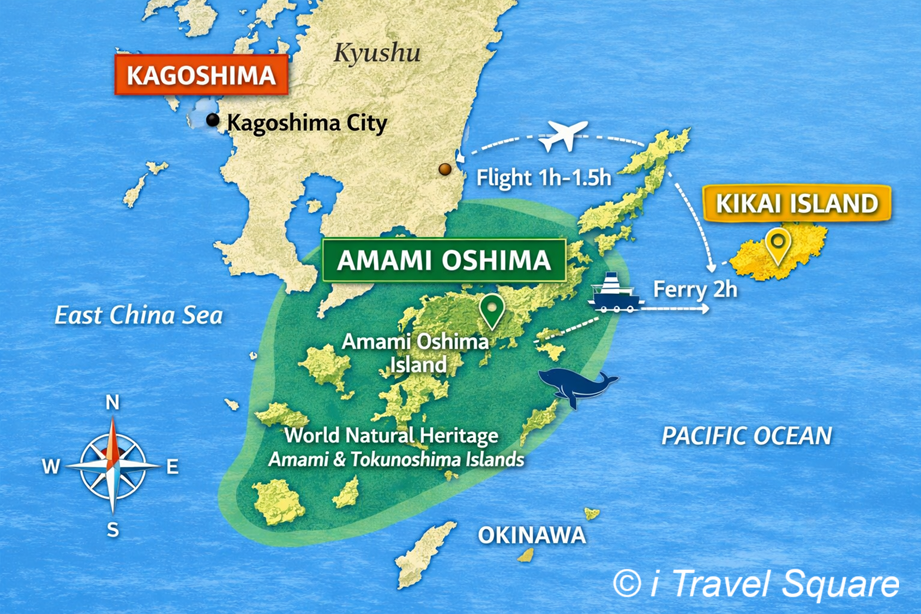
- Airplane from Mainland, Fukuoka or Kagoshima
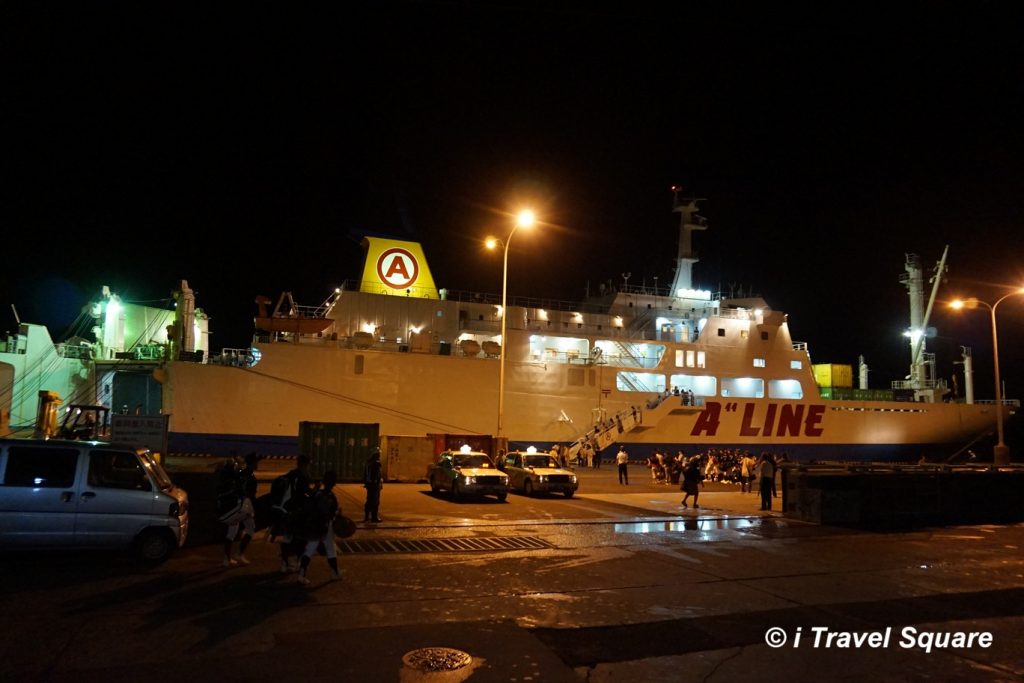
- Ferry from Kagoshima
Kikai Island
■ Overview and History
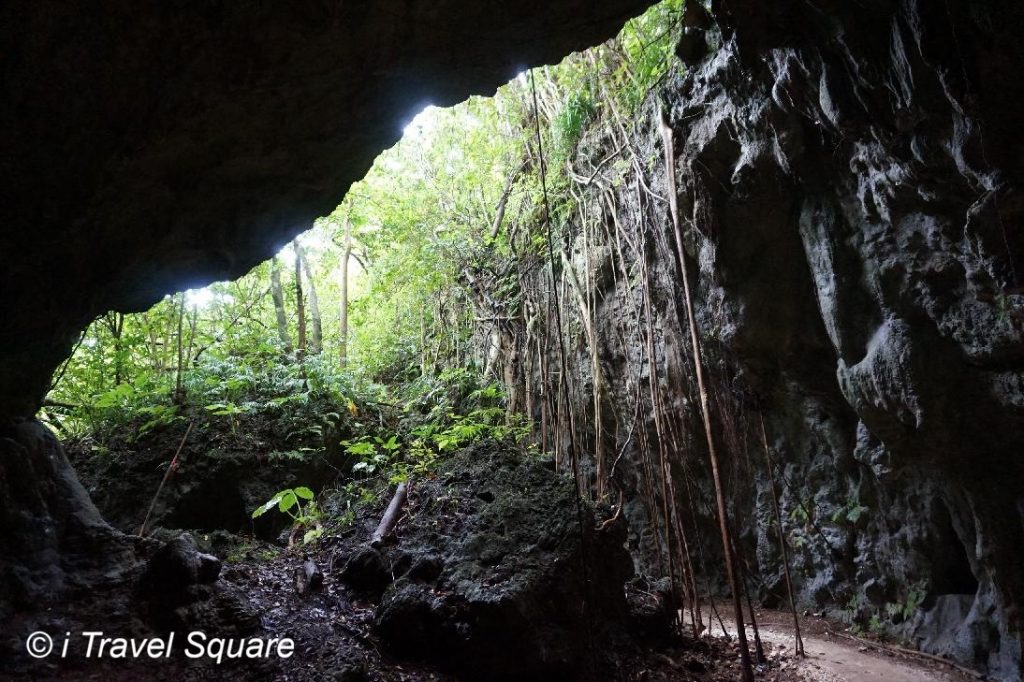
Kikai Island is globally known as an uplifted coral island.
It continues to rise several millimeters each year, offering a rare glimpse into Earth’s dynamic processes.
Historically, it served as a key maritime crossroads linking Amami, Okinawa, and mainland Japan.
■ Natural Attractions
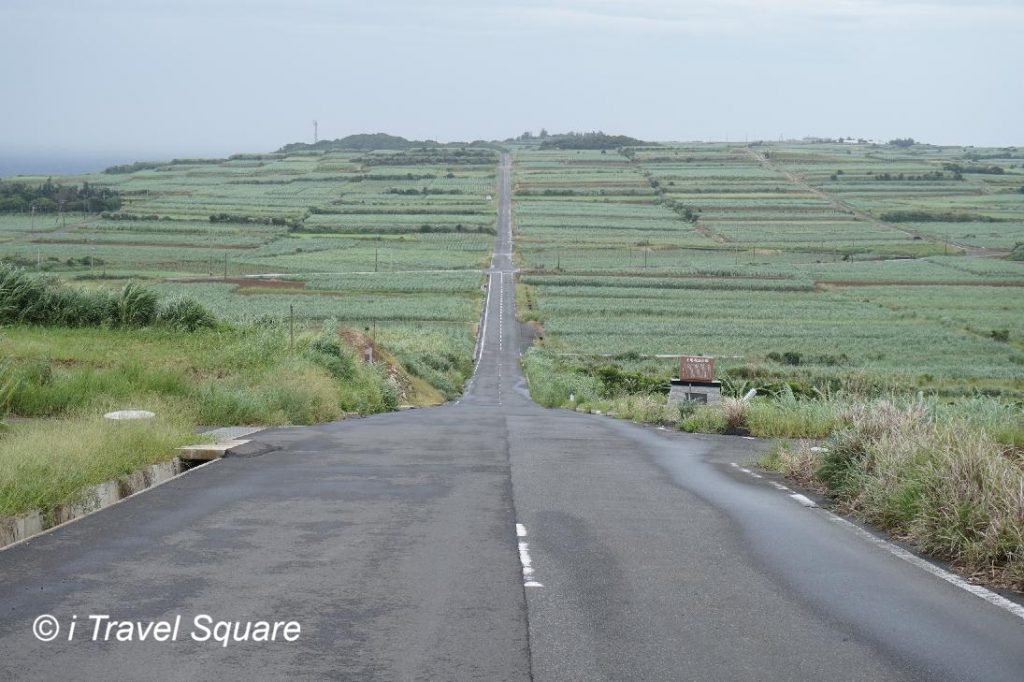
- Hyakunodai Plateau: A highland offering panoramic views of the island’s coral landscape.
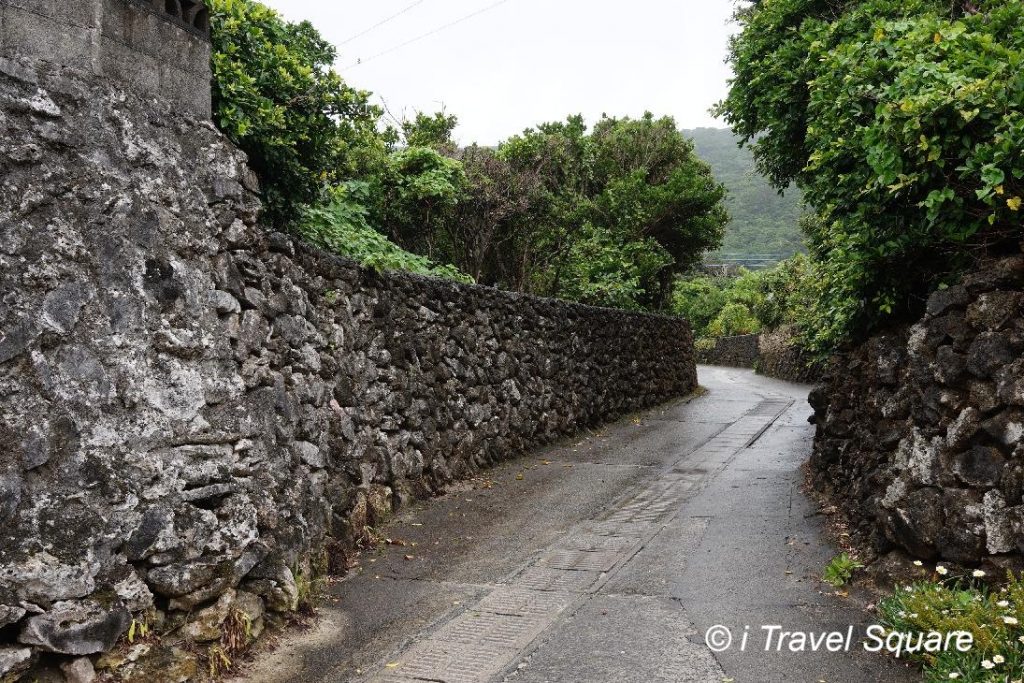
- Coral Stone Walls: Built as windbreaks around villages, forming a uniquely beautiful scenery.
- Sugira Beach: A quiet beach with white sand and turquoise waters.
■ Culture and Local Products
- White Sesame: One of Japan’s leading production areas. Its rich aroma is prized by culinary enthusiasts.
- Brown Sugar Shochu “Kikai Island”: A popular brand named after the island, reflecting its local brewing heritage.
■ Access
- Airplane from Kagoshima or Amami Oshima
- Ferry from Kagoshima
Enjoy Diverse Journeys on
Amami Oshima and Kikai Island
Though close to each other, the two islands offer different charms—
Amami Oshima’s World Heritage forests and Kikai Island’s dramatic coral landscapes—
while sharing common cultural roots in Ryukyu, Satsuma, and mainland traditions, and rich heritage such as Shima-uta, Oshima Tsumugi, and brown sugar shochu.
Together, they form a destination where visitors can enjoy a balanced experience of sea, forest, and culture!
Suggested Itineraries
① One-Day Model Course (Amami Oshima)
Experience the essence of Amami—World Heritage forest, ocean, and culture—in a single day.
- Morning: Walk through the World Heritage forest (Kinsakubaru Virgin Forest) with a guide.
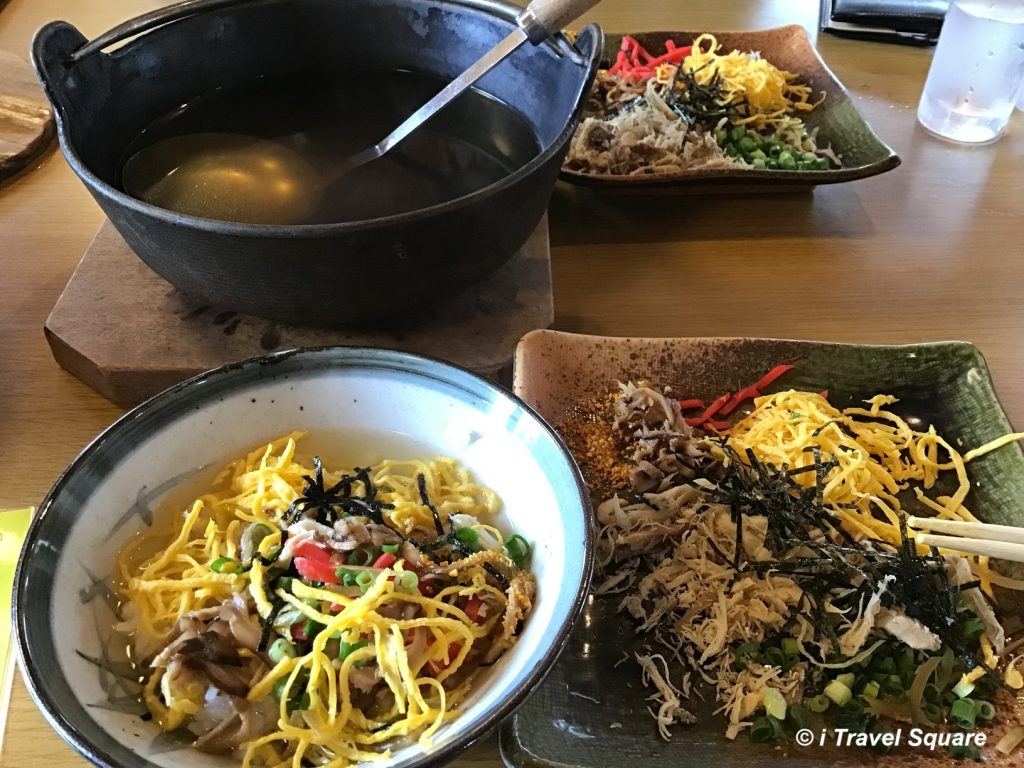
- Lunch: Enjoy local dishes such as chicken rice, island vegetables, and brown sugar desserts.
- Afternoon: Canoe through the mangrove forest.
- Evening: View the sunset at Ayamaru Cape.
② Two-Day Model Course
(Amami Oshima + Kikai Island)
A fulfilling plan combining Amami’s forests and seas with Kikai’s coral landscapes.
Day 1 – Amami Oshima (Nature & Culture):
- Kinsakubaru Forest Tour
- Amami Park & Tanaka Isson Museum
- Oshima Tsumugi Workshop Visit
- Snorkeling at Tomori Beach
Day 2 – Kikai Island (Geology & Village Culture):
Morning ferry or flight to Kikai Island.
- Morning: View the coral plateau at Hyakunodai.
- Lunch: Enjoy dishes featuring white sesame and island vegetables.
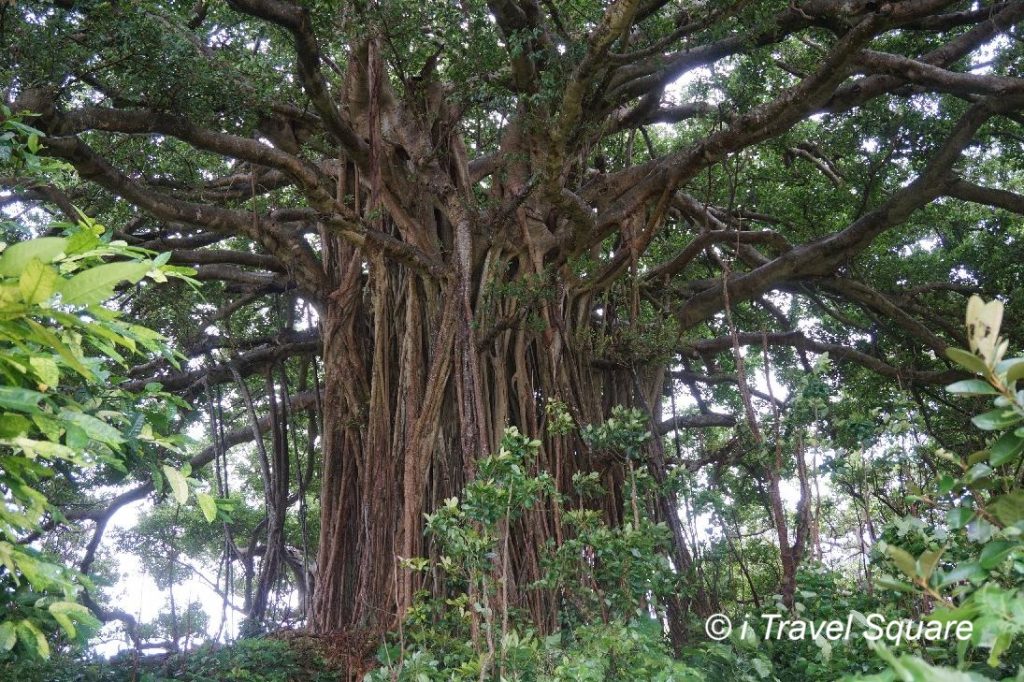
- Afternoon: Stroll through Adan Village with coral stone walls; visit the giant banyan tree.
- Evening: Relax at Sugira Beach.
③ Three-Day Model Course
(Amami Oshima + Kikai Island + Activities)
A comprehensive journey to explore Amami’s nature, culture, and activities.
Day 1 – Amami Oshima (World Heritage Forest):
- Kinsakubaru Forest
- Mangrove Canoeing
- Local dinner featuring Amami cuisine
Day 2 – Amami Oshima (Sea & Culture):
- Snorkeling or SUP
- Amami Park
- Shima-uta live performance
- Shochu distillery tour
Day 3 – Kikai Island (Geology & Scenic Spots):
- Hyakunodai Plateau
- Adan Village
- Giant Banyan Tree
- Sugira Beach
- Enjoy white sesame sweets
【Caution】
The Amami region is prone to typhoons, and flights or ferries may be canceled due to weather conditions.
It is recommended to plan your trip with ample flexibility in schedule.
Arrangements we can make
- Creating an overall itinerary
- Transportation between mainland and remote islands
- Accommodation
- Transportation within the islands
- Transportation between islands
- Interpreter guide (mainly from Fukuoka or Kagoshima)
** In addition to these actual expenses, each arrangement fee is required.
See “Commission for Arrangements“
Since the capacity of accommodation and vehicles for transportation within the island is limited, it is ideal to travel by small group up to 8 people.
In addition, since transportation on remote islands is easily affected by the weather, we recommend you traveling with plenty of time.
It’s inconvenient, but simple and kind.
Be sure to experience such the remote islands!
/// Cancellation Policy
Cancellation Policy for above course;
| Days to Departure | Cancellation Charge |
| More than 31 days | 5% of trip price |
| 30-15 days | 50% of trip price |
| 14-8 days | 80% of trip price |
| 7 days or Less, No Show | 100% of trip price |
Please refer to “Price, Terms and Conditions” for other detailed regulations.
/// Application Form
Please fill in the below box;
👆👆👆
Note: This green button means “Submit“.
/// Payment
Payment can be settled by credit card (Paypal or Stripe).
After your booking, we will send you an invoice, then after your payment by credit card, the booking would be completed.


/// Contact
If you have any questions or offer to book, please send an email. We welcome even little questions! Don’t hesitate, and see you in Japan!!
Contact us: info@i-travel-square.tokyo